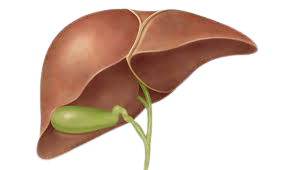
Liver Transplantation
AWARENESS
What is a LIVER TRANSPLANT?
A liver transplant is a life-saving surgery where a damaged or failing liver is replaced with a healthy liver from a donor. This is usually done for patients with end-stage liver disease, liver failure, or certain liver cancers.
WHEN IS A LIVER TRANSPLANT NEEDED
A liver transplant is considered when the liver no longer functions adequately (liver failure).
Liver failure can happen suddenly (acute liver failure) as a result of infection or complications from certain medications, for example Liver failure can also be the end result of a long-term problem.
THE FOLLOWING CONDITIONS MAY RESULT IN CHRONIC LIVER FAILURE
Alcohol-Related Liver Disease (ARLD): Prolonged heavy alcohol use leading to fatty liver, hepatitis, and cirrhosis.
Non-Alcoholic Fatty Liver Disease (NAFLD) / NASH: Fat accumulation in the liver due to obesity, diabetes, or metabolic syndrome, progressing to inflammation and fibrosis.
Autoimmune Hepatitis: A condition where the body’s immune system attacks liver cells.
Primary Biliary Cholangitis (PBC): A chronic disease causing progressive destruction of the bile ducts.
Primary Sclerosing Cholangitis (PSC): Inflammation and scarring of bile ducts, commonly associated with IBD.
Genetic & Metabolic Disorders
Hemochromatosis (iron overload)
Wilson’s disease (copper accumulation)
Alpha-1 antitrypsin deficiency
Drug-Induced Liver Injury: Long-term use of certain medications or toxins causing liver damage.
Biliary Obstruction: Long-standing blockage of bile ducts due to stones, strictures, or tumors.